
-
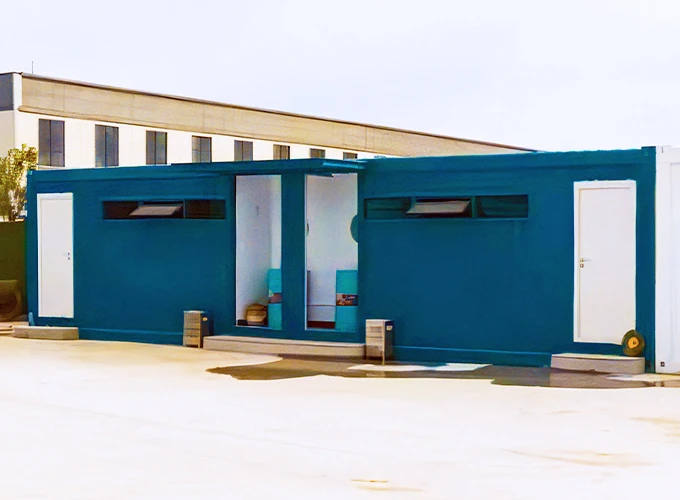
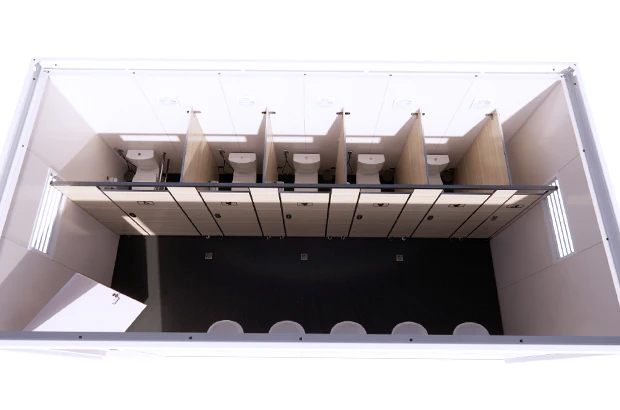 Doors, windows and partitions can be positioned along the transverse axis, with stairs added outside the unit. Modules can form single stalls, multi-stall blocks or connected restroom clusters for workforce camps, festivals and rural public areas.
-
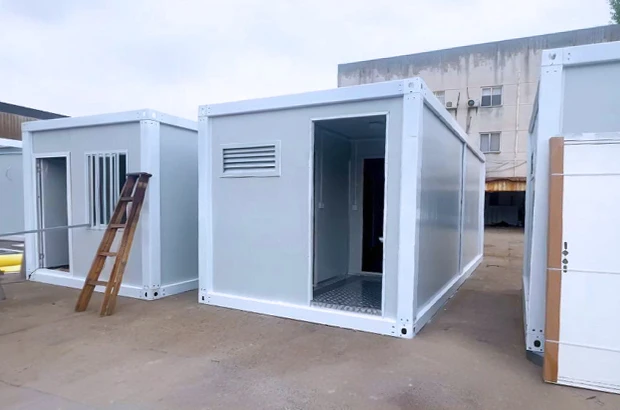 A well-made assembled container toilet typically has a service life of more than 15 years. Galvanized frames, reinforced corners and corrosion-resistant finishes support frequent outdoor use and help reduce maintenance downtime and lifecycle costs.
-
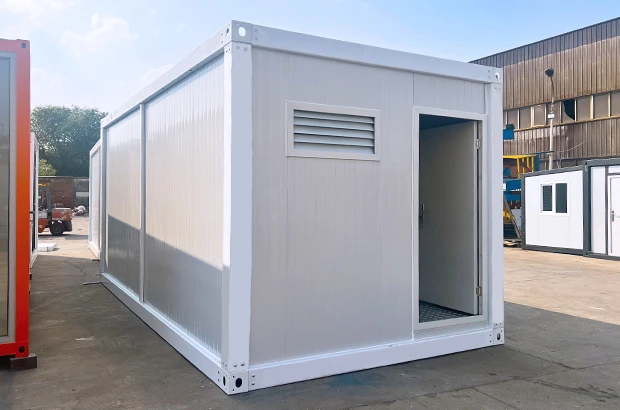 Prefabricated units are easy to assemble, dismantle and reuse. Factory production creates less waste and reduces the site debris associated with permanent construction. Water-saving flush systems or vacuum toilets are available on many units. Repeated use can lower average annual costs for rental operators and public facilities.
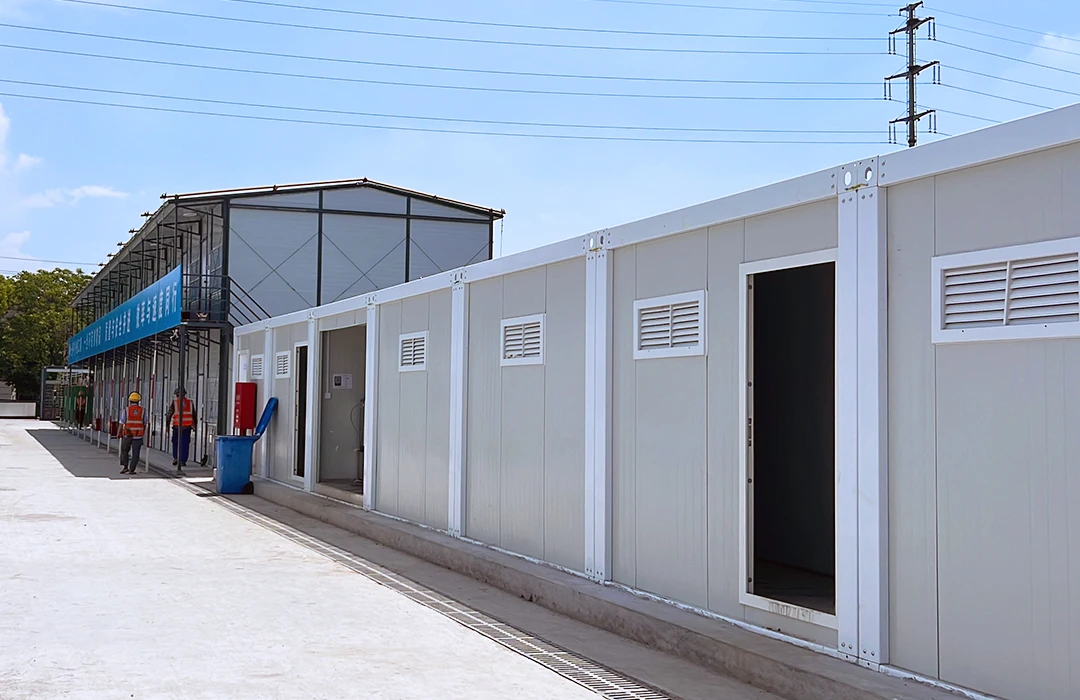
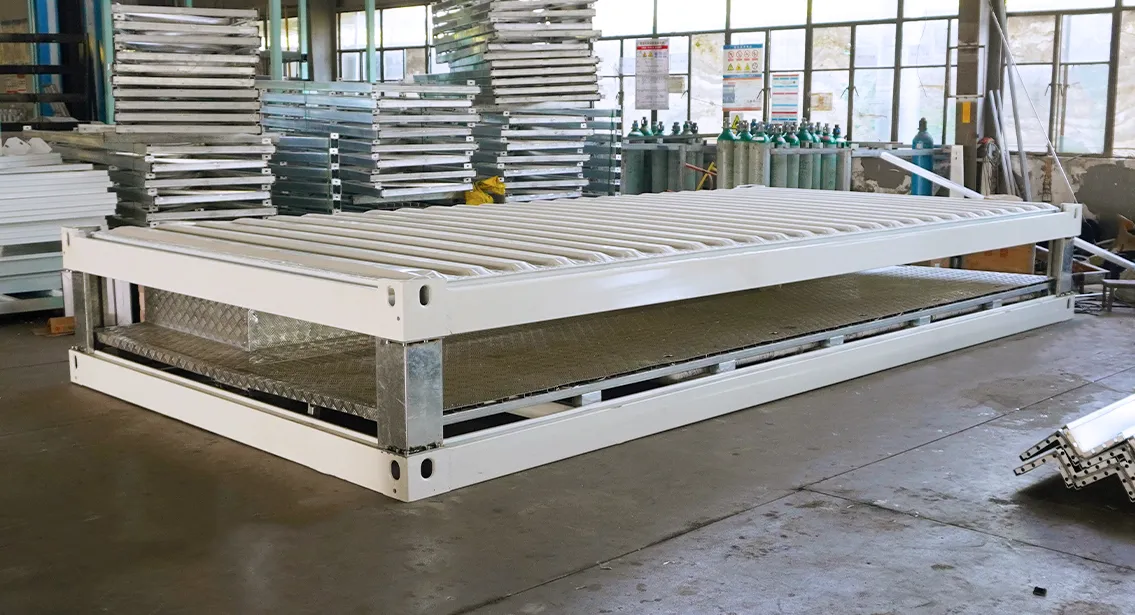
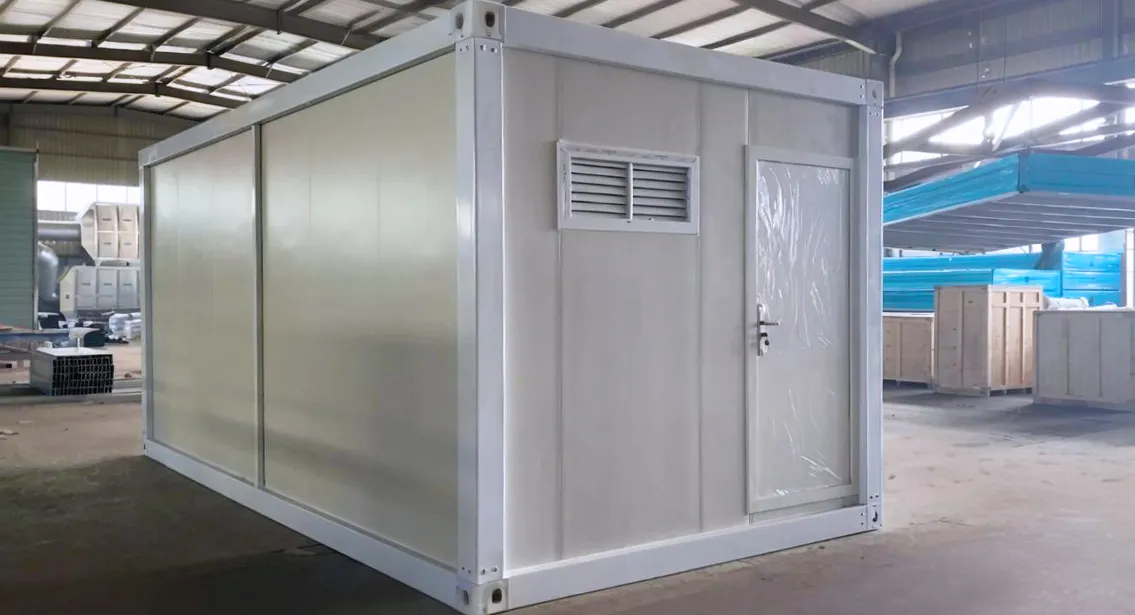
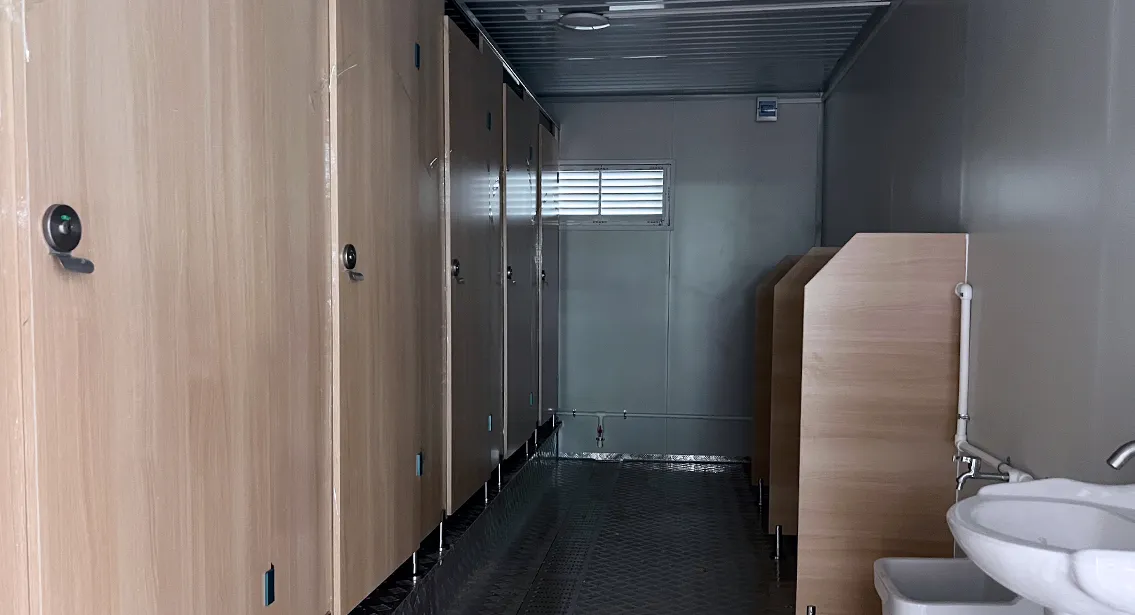
Choose a flat, level site, prepare suitable tools and arrange assistance for installation. A cordless drill can speed up the work. Allow access for waste collection and disposal, check local permit requirements, and test water and electrical connections before handover. Remote sites can use units with internal tanks and off-grid power options.
Routine maintenance includes emptying waste tanks, cleaning surfaces, checking seals and door hardware, and replenishing toilet paper and hand sanitizer. Insulation and heated pipes can help prevent freezing in cold areas. Suppliers usually provide spare parts, specification sheets and installation videos to support maintenance and reduce downtime.
Avoid over-tightening bolts, check alignment of waste containers and confirm that ventilation is installed. Preparing the site, tools, personnel and permits in advance supports a smooth installation. Event organizers, construction supervisors and relief coordinators can configure units for the number of users and scale of the project.
Contact us for a quotation or an on-site demonstration, with details of the intended use, site conditions and expected number of users.