

A container warehouse is a modular storage solution built from factory-made container units, designed to meet today’s need for speed, flexibility, and cost control. In the past, warehouses were almost always permanent buildings, requiring long planning cycles and heavy investment. As supply chains became more dynamic and business cycles shorter, companies began looking for alternatives that could adapt more quickly. This shift has driven the rise of the container warehouse concept.
A container warehouse is a modular storage solution built from factory-made container units, designed to meet today’s need for speed, flexibility, and cost control. In the past, warehouses were almost always permanent buildings, requiring long planning cycles and heavy investment. As supply chains became more dynamic and business cycles shorter, companies began looking for alternatives that could adapt more quickly. This shift has driven the rise of the container warehouse concept.
Functionally, a container warehouse is simple and practical. Each unit serves as a secure storage space and can be equipped with basic features like lighting, ventilation, and shelving. Multiple units can be combined into a structured layout, forming a complete storage container project that supports efficient access and workflow. The standardized nature of the units also makes maintenance and future reconfiguration easier.
Advantages of Shipping
Container Warehousing
-
Cost-effectiveness
A container warehouse lowers upfront investment compared with building new permanent space. Because units are factory-made and modular, a container warehouse reduces construction time and on-site labor, keeping capital expenditure predictable. For many businesses a phased storage container project is easier to budget and deploy than a full brick-and-mortar build. -
Flexibility & scalability
The modular nature of a container warehouse makes it simple to change layout or capacity as needs shift. Units can be added, removed, or reconfigured to create a tailored prefab warehouse footprint. This flexibility helps companies respond to seasonal demand or evolving inventory mixes without long-term commitment. -
Portability
A container warehouse supports relocation and redeployment when operational geographies change. Whether moving closer to a job site or shifting regional stock, a storage container project built from modular units can be transported and reassembled with minimal waste. Portability reduces the risk of stranded assets in fast-moving markets. -
Security & durability
Built from robust factory components, a container warehouse delivers solid protection for stored goods. The standardized units provide strong structural integrity and straightforward locking options, and maintenance is often simpler than for on-site construction. Durability helps keep long-term operating costs manageable. -
Quick deployment
When time is critical, a container warehouse can be sited and commissioned much faster than a traditional build. Prefab warehouse modules arrive ready for connection, shortening lead times for staging, overflow storage, or emergency needs. This speed is a frequent reason teams choose a storage container project for immediate capacity gaps. -
Sustainability
Reusing factory-made units and minimizing on-site construction waste makes a container warehouse a lower-impact choice. Integrating modular elements into an existing logistics hub reduces disturbance and the embodied carbon of new builds. Thoughtful reuse and relocation keep the lifecycle greener. -
Operational efficiency
Standardized unit sizes simplify inventory handling, racking, and access planning within a container warehouse. Consistent dimensions and repeatable layouts speed material handling and make it easier to train staff across multiple sites. Predictable operations translate into measurable time and cost savings. -
Practical considerations
A successful container warehouse balances speed with site prep, local regulations, and climate control needs. Plan access routes, handling equipment, and ventilation early in a storage container project. Manufacturers and designers can advise on finishes and layout—companies such as ZN House are one example of suppliers that offer modular units and planning input.
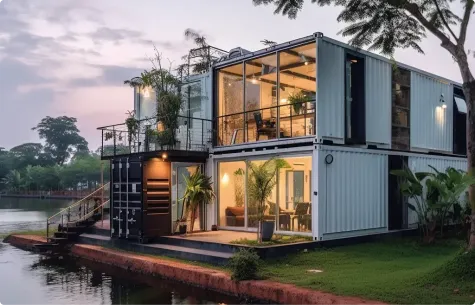
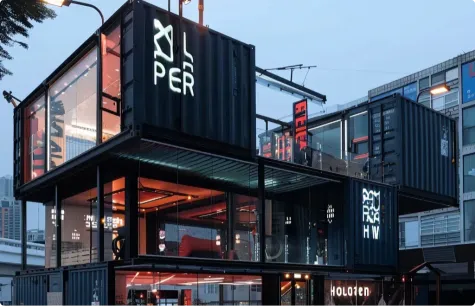
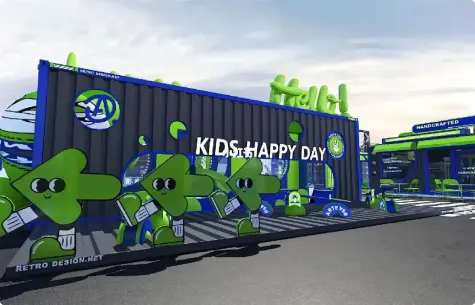
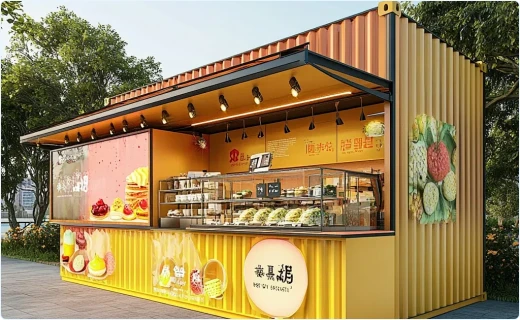
When planning a prefab warehouse or a storage container project, review site rules, handling equipment, and climate needs. For technical guidance, manufacturers such as ZN House can offer specification input without changing your operational focus.
Container warehouses come in many forms, each suited to different storage needs and site constraints. Understanding the options helps planners choose the right arrangement for their operations.
-
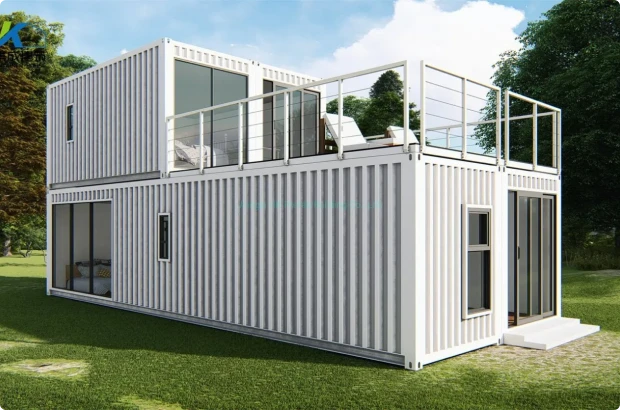 Single-level row units are the simplest type of container warehouse. Units sit side-by-side with drive-in access for forklifts and easy loading. This layout suits operations that prioritize straightforward access and quick turnover.
-
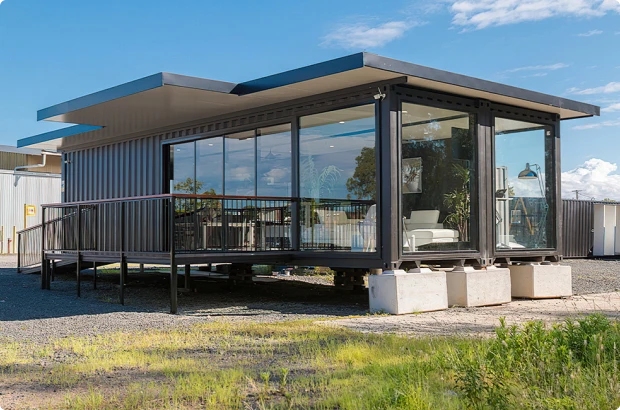 Stacked multi-level configurations use structural supports and safe access systems to multiply capacity on limited land. A stacked container warehouse maximizes vertical space while keeping a modular footprint.
-
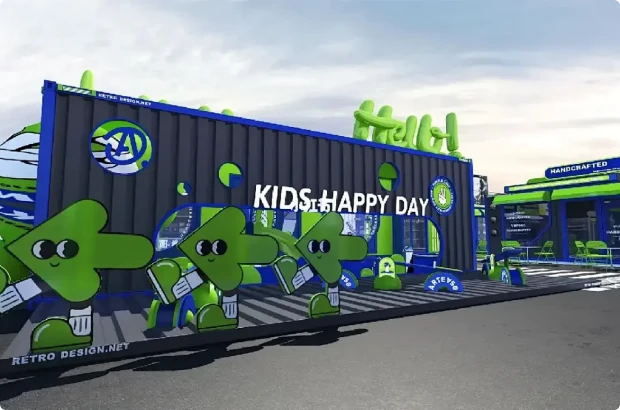 Drive-through and loading-bay layouts create efficient flow for high-turnover goods. In a drive-through container warehouse, vehicles can pass between rows to load and unload without complex interior handling.
-
Climate-controlled units are designed for temperature-sensitive goods. A prefab warehouse built from insulated containers can support cold storage, humidity control, or clean-room requirements where needed.
-
Flat-pack and collapsible systems prioritize portability. These container warehouse types can be transported and rebuilt across sites, making them useful for temporary projects and phased deployments.
-
Multi-span and single-span prefab warehouse designs combine container modules into wider interior spaces for racking and tall storage. These arrangements mimic traditional warehouse volume while keeping modular benefits.
-
On-site storage parks group standardized units into a managed campus for regional distribution. A storage container project of this kind simplifies logistics, maintenance, and security at scale.
When selecting a type, consider groundworks, access, climate control, and local rules. Manufacturers of container units, including ZN House, can advise on structural details and finishes. Plan also for material handling, fire safety, and future reconfiguration. Early coordination with logistics teams and local authorities helps reduce delays.
Contact ZN House today for expert advice on prefab warehouse planning and get a tailored proposal for your storage container project.