
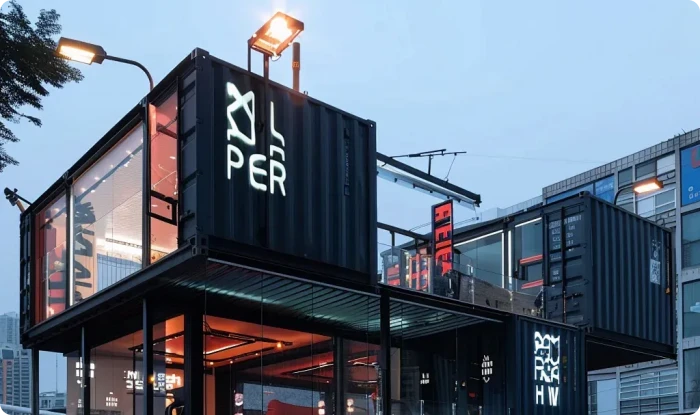
What is a container office?
Demand for flexible workspaces is rising, and modular solutions are becoming mainstream. A container office offers a fast, practical way to add workspace where traditional construction would be slow or costly. Built from steel shipping units, it is weatherproof, secure, and transportable, with simple site requirements and low upfront disruption. Typical fit-out focuses on insulation, lighting, power, windows and ventilation to create a comfortable environment. For temporary sites, remote projects, pop-up retail, or expanding construction camps, a container office delivers reliable, no-frills functionality and easy relocation. Structural limits on span and openings mean linked layouts need engineering, but the trade-off is speed, predictable logistics, and lower site labour. Owners who value rapid deployment and straightforward maintenance often choose these units. Manufacturers such as ZN House produce configurations that balance durability, comfort, and cost without unnecessary complexity. They suit contractors, event organisers, NGOs, and small businesses needing pragmatic workspace and storage.
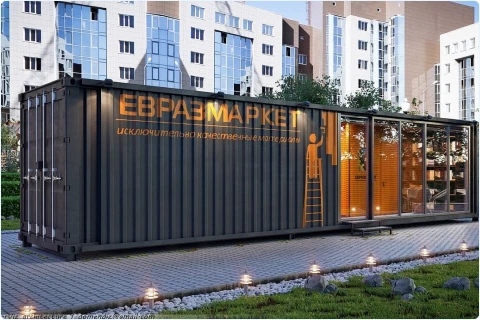
Who Uses Container Offices?
-
Healthcare
Mobile clinics, triage centers, and temporary consultation rooms often adopt a container office for rapid deployment. These units provide a secure, weather-resistant space for patient intake, testing, or administrative work near clinics or community sites. Proper insulation and HVAC allow year-round use, and pre-fitted electrical systems speed setup for medical equipment and staff needs. -
Education
Rural schools, temporary classrooms, and training centers use a container office to expand capacity quickly. Schools can add one or more units to create dedicated classrooms, staff rooms, or administrative offices without long construction times. The moveable nature lets institutions reconfigure layouts for different programs or seasons, and prefab interiors reduce on-site disruption and downtime. -
Agriculture
Farm managers and agritech teams rely on a container office for on-site coordination, storage, and monitoring. These units act as clean, secure control rooms for irrigation systems, cold-chain monitoring, or seed processing oversight. Positioned close to fields or greenhouses, a container office minimizes travel time and centralizes data and staff operations during peak seasons. -
Government
Local agencies and field offices deploy a container office for permits, inspections, and community outreach in remote areas. Portable units provide a consistent, secure location for public services during infrastructure projects or temporary programs. Easy transport and straightforward installation let officials place an office where it’s needed most, improving access to essential services. -
Emergency Response
Disaster relief teams frequently use a container office as command posts, supply coordination points, or temporary shelters. Built for durability and transport, these units arrive ready for communications equipment and staff. Quick setup enables responders to organize logistics, coordinate field teams, and protect sensitive materials in unstable environments. They often include secure storage for critical supplies and records. -
Special Events
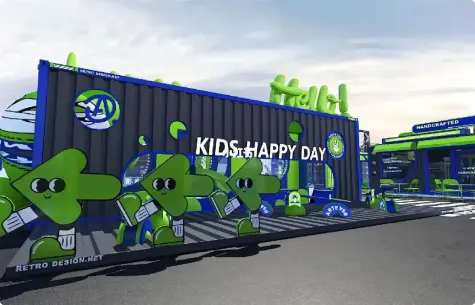
Event managers and festival organizers set up a container office as box offices, logistics hubs, or VIP lounges. These units offer clean, secure spaces that can be themed or configured for the occasion. Their portability lets organizers place support functions close to stages or entrances, improving crowd control, staff coordination, and overall event logistics. -
Manufacturing & Industrial
On-site managers, safety supervisors, and quality control teams use a container office for close oversight of production lines. These offices provide a secure base for documentation, meetings, and equipment monitoring without disrupting factory operations. Modular placement near production areas shortens response times, supports continuous supervision, and helps enforce safety standards and record keeping. -
Oil & Gas
Exploration crews and field engineers rely on a container office for remote operations, equipment housing, and secure document control. Designed to handle harsh conditions, these units offer reliable shelter for monitoring systems and technical staff. Portable deployment means teams can set up a functional base camp wherever the project requires, reducing downtime and improving site coordination. -
Energy & Utilities
Utility companies and renewable energy projects use a container office for control rooms, storage, and on-site planning. A container office can accommodate SCADA equipment, battery systems, or technician workspaces and be integrated with solar or backup power. ZN House sometimes supplies units tailored to grid and off-grid needs, helping teams maintain continuous operations.
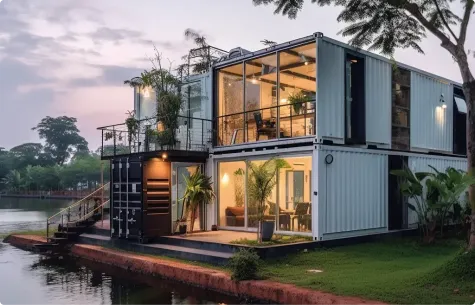
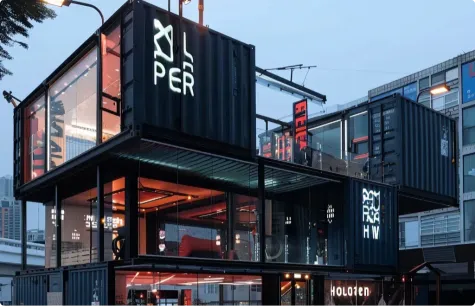
Shell & frame
Choose high-quality steel and proper corrosion protection to ensure a long service life. The container office shell must be checked for structural fatigue and reinforced where engineered openings will be cut.
Thermal performance & insulation
Plan insulation and thermal breaks early — options range from spray foam to rigid panels. Good insulation and vapour control keep the container office comfortable and protect finishes in all climates.
Openings, ventilation & acoustics
Position windows and doors for daylight and egress, and fit mechanical ventilation where natural airflow isn’t enough. Acoustic treatment is important near noisy sites to make the container office usable for meetings and focused work.
Service integration & layouts
Design for power, data, and plumbing runs with pre-engineered penetrations for linked units. Consider plug-and-play service modules and clear routing so the container office can be combined or expanded with minimal on-site work.
Practical checklist
Verify lifting points, access, fire safety, and maintenance access before finalising the design. ZN House recommends planning service entry and future adaptability at the start. Also review local codes and site access early to avoid delays. Early coordination with structural and MEP engineers reduces on-site surprises and keeps schedules predictable.
-
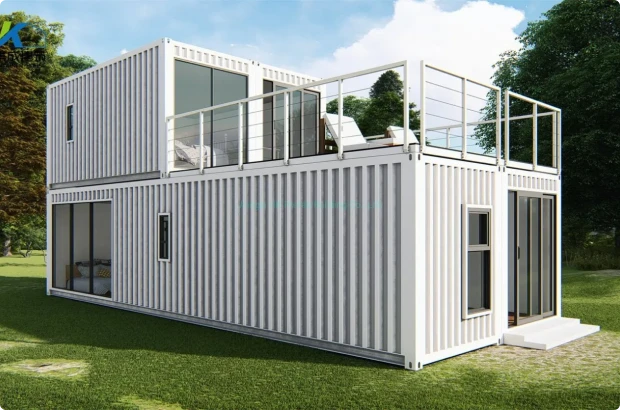 On busy construction sites a container office serves as an on-site management hub. A container office provides secure storage for documents, a quiet space for briefings, and a sheltered base for supervisors close to the workforce. Built from steel and easy to place near the workface, the container office reduces travel time between site offices and site tasks, helping teams stay coordinated during fast-moving projects and shift changes.
-
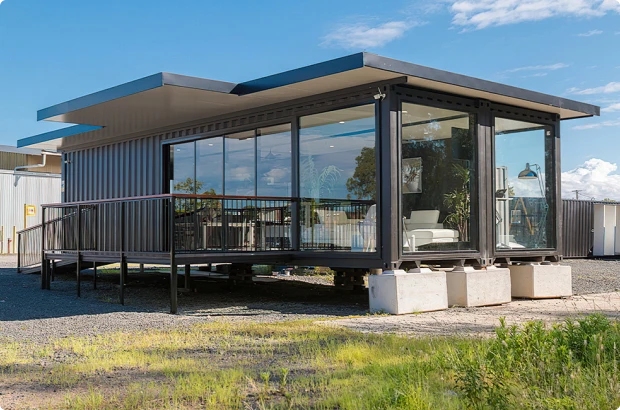 Mining operations in remote Australia use a container office as a durable, transportable control room and staff facility. The container office resists harsh weather, is simple to secure, and integrates power and communications for monitoring equipment. Placed next to accommodation or plant, it centralises operations, health-and-safety briefings, and shift handovers, reducing downtime and keeping critical personnel and systems close to site activities.
-
Retailers and event planners in the US deploy a container office for short-term storefronts, ticketing, or backstage administration. A container office can be branded, climate-controlled, and fitted with point-of-sale or storage, then removed or relocated when the event ends. This flexibility lets organisers test market locations, support seasonal demand, or run temporary campaigns without long-term leases.
-
NGOs and local governments in Kenya use a container office for remote clinics, school administration, and training rooms. A container office offers a hygienic, lockable space that can house testing equipment, records, or learning materials while being moved between villages as needs change. Pre-fitted utilities and good insulation make it comfortable year-round, enabling reliable outreach in areas with limited infrastructure.
-
Following storms or earthquakes, emergency teams in the Philippines set up a container office as a command post and logistics centre. A container office arrives ready for radios, maps, and supply coordination, and its secure shell protects sensitive materials and personnel. Rapid placement near affected zones speeds decision-making, supports staging of relief supplies, and provides a stable workspace amid disruption. ZN House-style units are often configured for quick field use.